
Gap Gauge
Slide the width of a gap in sixteenths of an inch and see which pests and animals can get through, from ants to raccoons.
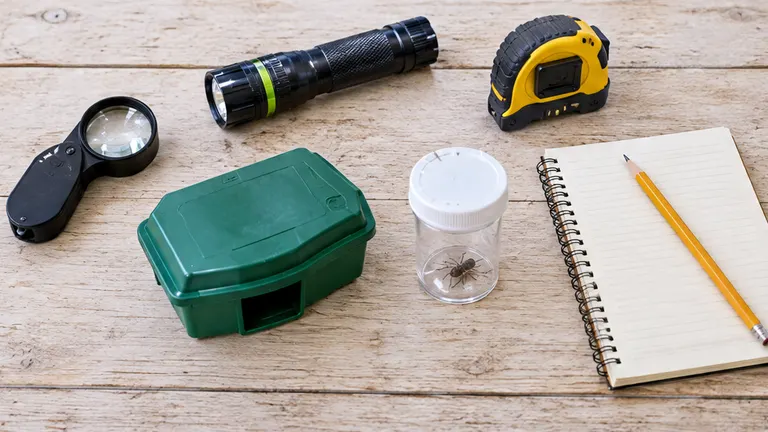
What can squeeze through that gap?
Measure with a ruler or a coin. A pencil is about 3/8 inch and a quarter is about 15/16 inch across.
Saved. It will travel with the request form below.
Rounded rules of thumb. Animals can squeeze through smaller openings, especially if they can chew them bigger.
Three steps
Measure a gap in the wall, door or foundation.
Slide the gauge to that width.
Read who can get in and seal it.
Pests do not need doors. A mouse fits through a gap about the width of a pencil, a young rat through one the width of a thumb. Seeing the numbers shows why small gaps matter.
About this tool
Are these exact?
They are rounded rules of thumb. Animals can squeeze through slightly smaller openings, especially if they can chew them bigger.
How do I seal a gap?
Use steel wool or mesh and a sealant for small gaps, and metal flashing for large ones. A technician can seal them for you.
Does it replace a visit?
No. It is a planning aid. A visit looks at your property and the real pest, and then a plan is written down.
Services that use these numbers
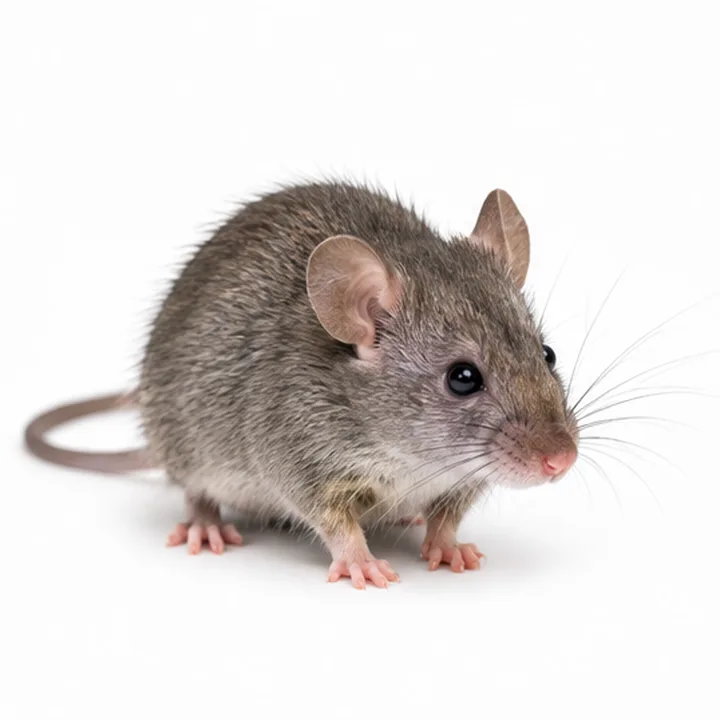
Mouse Control
Mice squeeze through a gap the size of a dime. We trap, seal and clean so they leave and stay out.
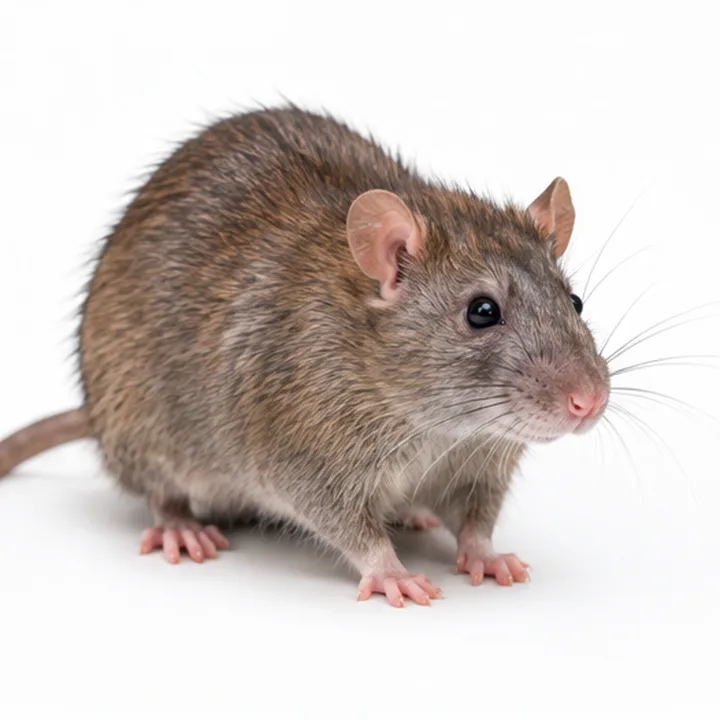
Rat Control
Rats are strong, careful and quick to breed. We find their runs, trap them and close the openings before they settle in.
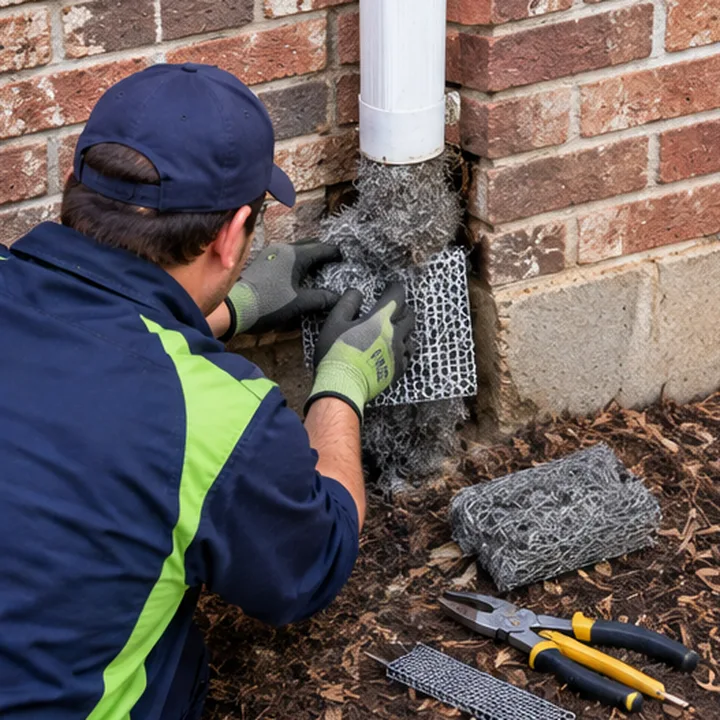
Rodent Exclusion and Sealing
Trapping alone never ends a rodent problem. Exclusion finds every gap and closes it with materials rodents cannot chew through.
Ready to get ahead of the pests?
Tell us what you are seeing and where. We will visit, look closely, explain the options and put the plan in writing.